

Clear Direction, Real Change

Five examples of change, leadership, and systems made clearer. Each one left the team better equipped to carry the work forward.
Across functions and sectors
Selected Work
All five examples come from Kristen’s staff leadership roles inside churches and nonprofits, the experience behind Sycamore North.
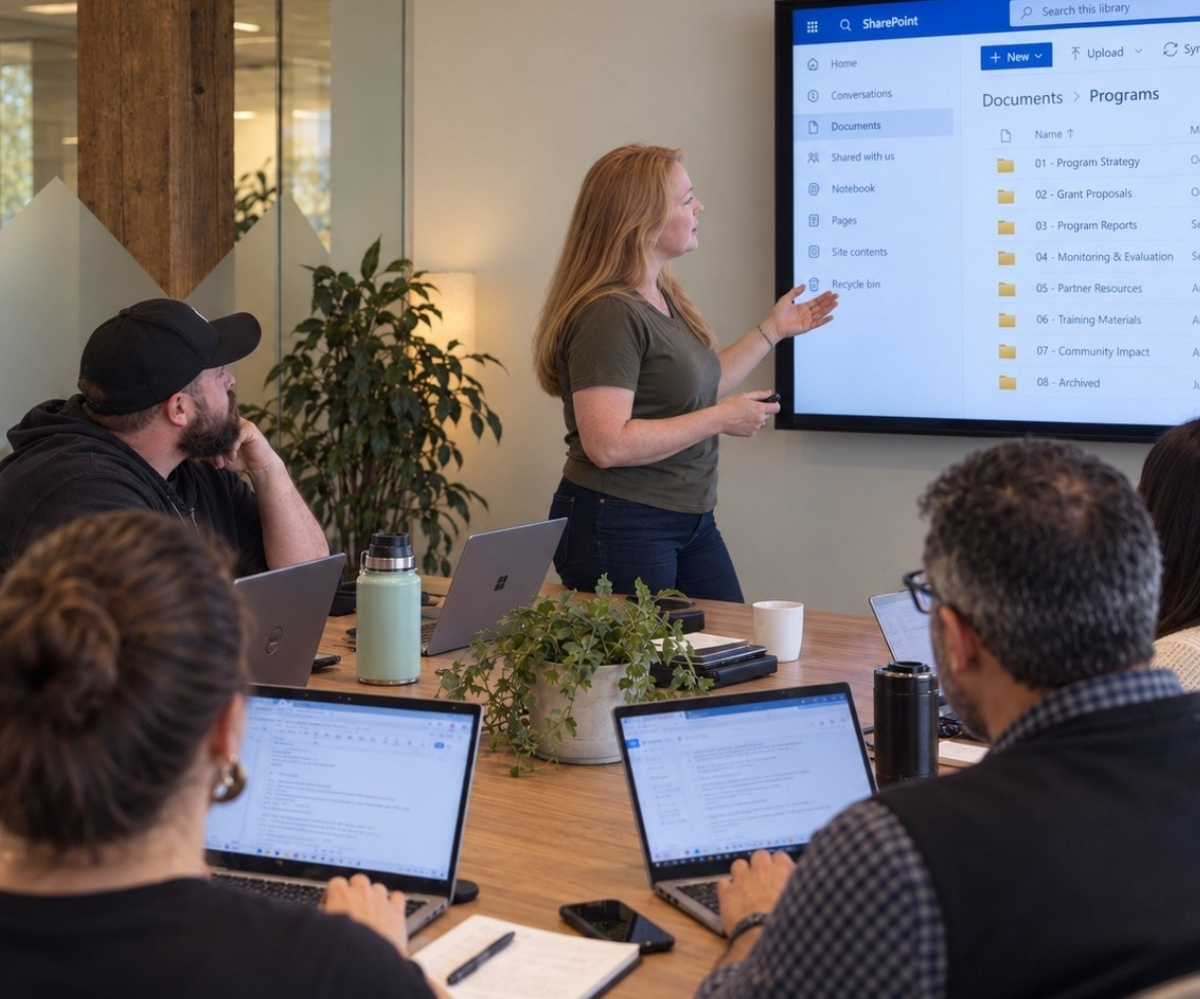
Organizational Change
Technology Transition at Scale
More than 120 staff successfully transitioned from Google Workspace to Microsoft 365.
+
Organizational Change
Technology Transition at Scale
More than 120 staff successfully transitioned from Google Workspace to Microsoft 365.
Staff Transitioned
Permissions Removed
Microsoft Teams Environments
Staff File Migrations
Executive leadership selected Kristen to lead a ten-month organizational technology transition. The work required moving staff, files, and departmental systems while creating a structure the organization could manage long after launch.
Kristen led a six-person implementation team and created the transition plan across 21 Microsoft Teams environments. She worked directly with staff across nine functional areas to determine what files needed to move, where they belonged, who required access, and how each team needed to work after the transition.
She developed the Microsoft Launch Playbook, designed and taught six live 90-minute training sessions, and created a Microsoft Champions program that gave staff immediate departmental support without placing every request on the organization’s two-person IT team.
The project moved files for 87 staff, eliminated more than 40,000 outdated external sharing permissions, and established long-term governance standards. A partner organization later asked Kristen for recommendations to guide its own Microsoft 365 migration.
A governed Microsoft 365 environment, trained staff, departmental support, and long-term standards that reduced dependence on a two-person IT team.

Strategic Partnerships
Partnerships That Multiply
Participation at one community location increased 41% in six months with no additional organizational spending.
+
Strategic Partnerships
Partnerships That Multiply
Participation at one community location increased 41% in six months with no additional organizational spending.
Participation in 6 months
Program partners
Households served monthly
Added spending
The location had available space and an opportunity to serve more households, but expanding every program internally would have required additional money and staff capacity.
Kristen created a partnership model that connected outside organizations with established programs and resources to the location’s underused space. She developed the relationships and structured partnerships that allowed both sides to contribute what they already had.
Within six months, the number of outside program partners grew from one to seven. Participation at the location increased 41%, more than 300 households were served each month, and the growth required no additional organizational spending.
A partnership model that expanded service capacity through aligned relationships instead of additional organizational spending.

Scalable Leadership Systems
Leaders Who Build Leaders
A team of approximately 10 volunteers grew into a 170-person operation with multiple layers of leadership, and it kept growing after launch.
+
Scalable Leadership Systems
Leaders Who Build Leaders
A team of approximately 10 volunteers grew into a 170-person operation with multiple layers of leadership, and it kept growing after launch.
Volunteers
Team Leaders
Of the original 170 still serving at 18 months
Promoted to Staff
A new location needed enough people and leadership capacity to support more than 600 participants each week. Most of the people joining the team had never volunteered before, and the bulk of the recruiting needed to happen within approximately two months.
Kristen built the team and turned a multi-layer leadership model into a functioning system. She drove recruiting, personally developed the leaders, and established a working pipeline from volunteer to team leader to coach to staff. Eight coaches helped support the team leaders.
The result was not simply a larger volunteer roster. It was a layered leadership system capable of distributing responsibility beyond one central leader and sustaining the work after launch. Approximately 96% of the original 170 volunteers were still serving 18 months later, based on roster tracking through September 2022, and four volunteers were promoted to staff. The team kept growing over that period, to about 220 volunteers.
A durable leadership pipeline that distributed responsibility, developed leaders at multiple levels, and supported a new location serving more than 600 people weekly.
Multi-Campus Consistency
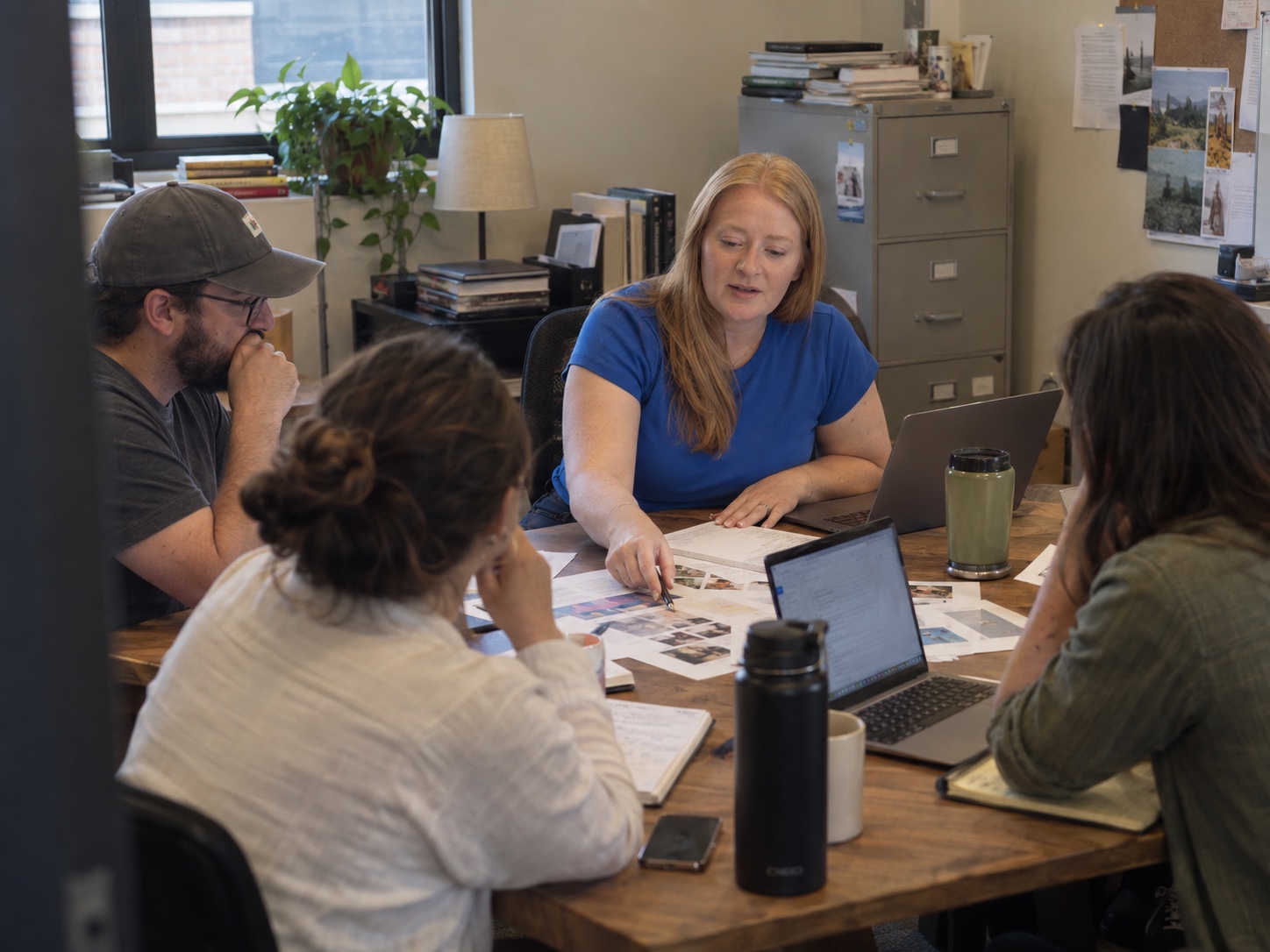
One Approach Across Four Locations
Attendance increased 5.5% year over year across four locations, exceeding a goal of holding attendance flat after a downward trend.
+
Multi-Campus Consistency
One Approach Across Four Locations
Attendance increased 5.5% year over year across four locations, exceeding a goal of holding attendance flat after a downward trend.
Attendance, year over year
Locations aligned
Shared approach
Original goal, exceeded
Attendance had been trending downward, so the organization set a goal of holding attendance flat through its annual high-attendance season.
Kristen set the strategy and led the work as a staff leader, turning the goals into clear expectations for her team and keeping the message and approach consistent across all four locations, each with its own size and needs.
Instead of simply stopping the decline, attendance increased 5.5% year over year across all four locations.
A shared approach that kept four locations and several teams working from the same plan.
Service Delivery
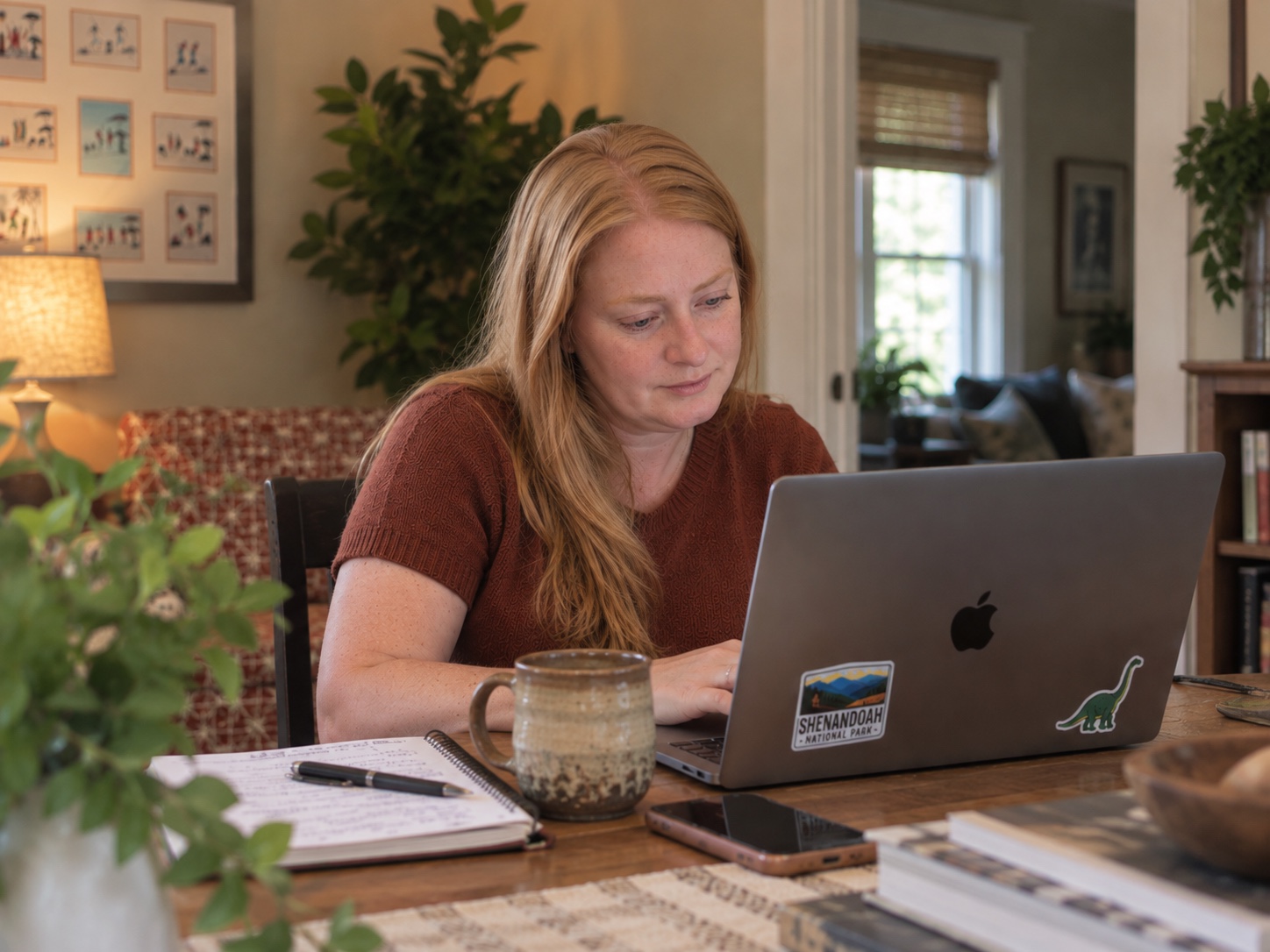
Community Support Goes Digital
The redesigned application process brought processing time to two weeks.
+
Service Delivery
Community Support Goes Digital
The redesigned application process brought processing time to two weeks.
Processing time
Every request, start to finish
Application access
Paper forms
People seeking community assistance had to complete paper forms in person, limiting when they could apply and making requests harder to track. The process could take as long as four weeks.
Kristen redesigned and digitized the application process. She eliminated the paper and in-person requirements, made applications available at any time, and created a clearer system for tracking each request through review and resolution.
The new process brought turnaround time to two weeks while making support easier to access and administer.
A faster, more accessible application process with clearer tracking and no paper or in-person requirement.
Some organization names are withheld to respect confidentiality. Each example focuses on the work, outcomes, and what the organization was equipped to carry forward.
A practical place to begin
Seeing a Similar Challenge?
Bring a similar challenge to a Clarity Session. In 90 minutes Kristen will name what needs attention and leave you with a written one-pager and a practical next step.
Request a Clarity Session